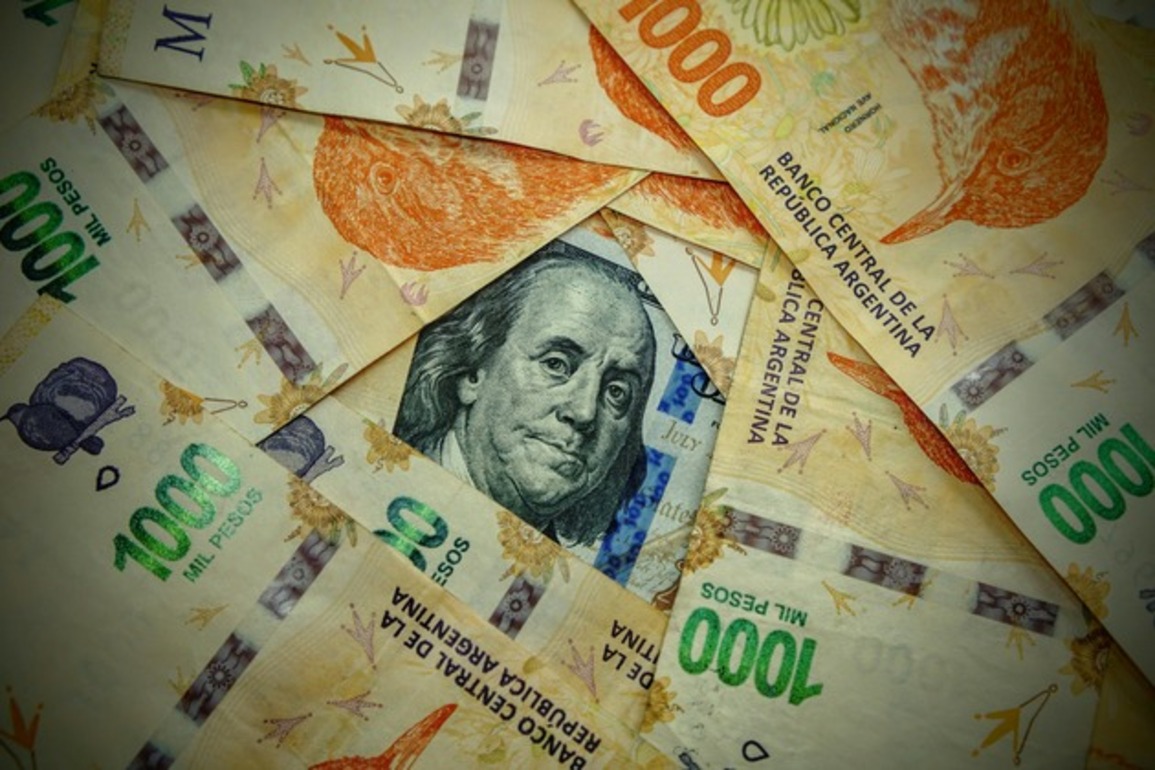
WASHINGTON, D.C.: The United States finalized a US$20 billion currency swap line with Argentina and directly purchased Argentine pesos this week, Treasury Secretary Scott Bessent announced, in an unusual intervention aimed at stabilizing Argentina's volatile financial markets and shoring up a key U.S. ally.
"U.S. Treasury is prepared, immediately, to take whatever exceptional measures are warranted to provide stability to markets," Bessent said in a social media post, noting that the deal followed four days of meetings in Washington with Argentine Economy Minister Luis Caputo.
Argentina's libertarian president Javier Milei, a vocal admirer of U.S. President Donald Trump, thanked both leaders for their backing. "Together, as the closest of allies, we will make a hemisphere of economic freedom and prosperity," Milei wrote on social media, praising Bessent for his "strong support" and Trump for his "powerful leadership."
The U.S. move, involving direct peso purchases and the creation of a currency swap line with Argentina's central bank, marks a rare financial step typically reserved for major trading partners. Bessent has insisted that the arrangement is not a bailout, amid rising backlash at home.
Farmers and Democratic lawmakers have criticized the deal, saying it contradicts Trump's "America First" policy and risks U.S. taxpayer exposure. U.S. farmers argue the program unfairly benefits Argentina, whose agricultural exports, particularly soybeans, have recently gained ground in China at their expense.
Following the announcement, a group of Democratic senators introduced the "No Argentina Bailout Act," which would prohibit the Treasury Department from using its Exchange Stabilization Fund to assist Argentina.
"It is inexplicable that President Trump is propping up a foreign government, while he shuts down our own," said Senator Elizabeth Warren of Massachusetts. "Trump promised ‘America First,' but he's putting himself and his billionaire buddies first and sticking Americans with the bill."
Argentina, the International Monetary Fund's largest debtor, owes the IMF $41.8 billion. Successive bailouts have failed to steady its economy, which remains battered by inflation, currency weakness, and capital flight.
Milei — a far-right economist who took office in late 2023, pledging to slash public spending — has struggled to deliver results. His austerity drive has fueled social unrest, and patience among Argentines is wearing thin as elections approach.
With midterm congressional polls scheduled for Oct. 26, the new U.S. lifeline offers Milei a much-needed reprieve. Argentina's dollar bonds jumped about 10 percent, and the Buenos Aires stock market surged 15 percent after Bessent confirmed the swap deal.
Economy Minister Caputo expressed "deepest gratitude" to Bessent for his support. "Your steadfast commitment has been remarkable," he wrote.