LONDON, U.K.: Britain said it will make refugee status temporary and extend the wait for permanent settlement to 20 years, as part of its most significant overhaul of asylum policy in modern times.
The Labour government has been toughening its stance on immigration, especially on illegal small-boat crossings from France, as it tries to counter the rising popularity of the populist Reform UK party, which has dominated the immigration debate.
The government said it would follow Denmark's approach — one of the strictest in Europe and widely criticised by rights groups — at a time when many countries are tightening their rules due to growing anti-immigrant sentiment.
As part of the changes, the legal duty to provide support such as housing and weekly allowances to certain asylum seekers will be removed, the Home Office said in a statement on November 15. The measures will apply to asylum seekers who are able to work but choose not to, as well as to those who break the law. The government said taxpayer-funded support would focus on people who contribute to the economy and their communities.
Refugee Protection to Become Temporary
The Home Office also said refugee protection would become temporary, with status regularly reviewed and revoked if their home country is judged safe.
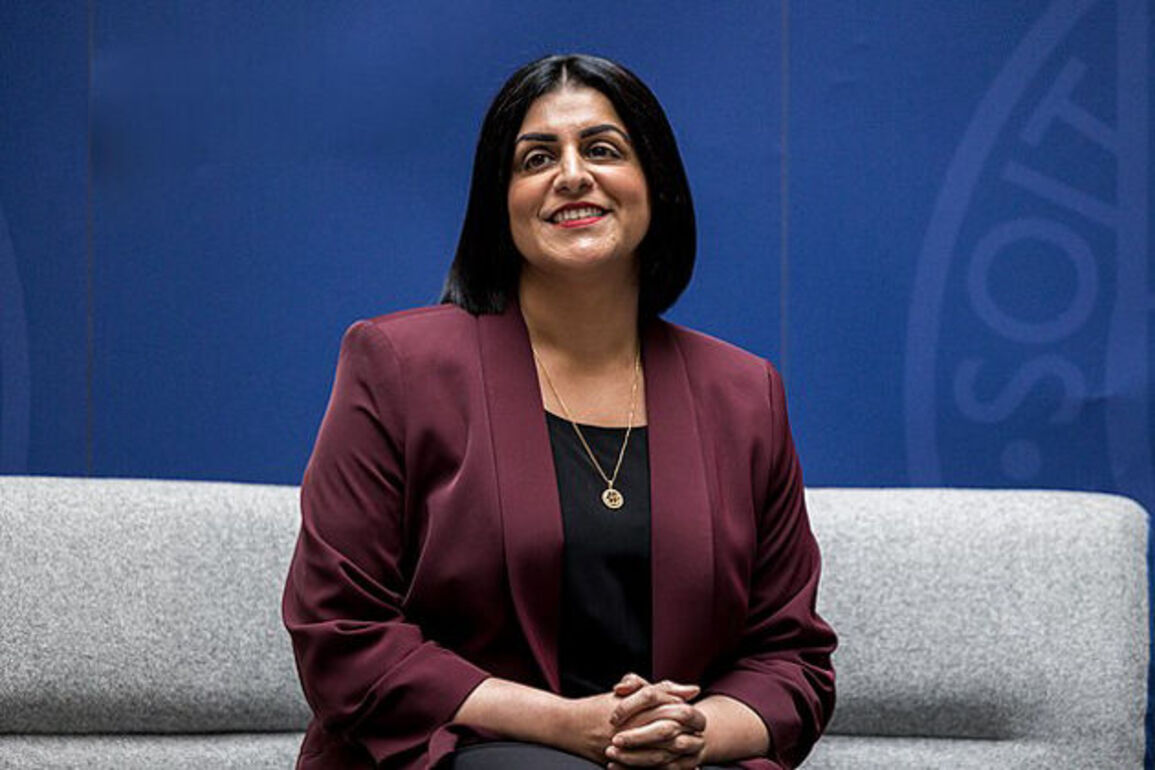
"Our system is very generous compared with other European countries, where after five years you are almost automatically settled," Home Secretary Shabana Mahmood told Sky News. She said refugee status would be reviewed every 2.5 years, as part of a "much longer path" to permanent settlement lasting 20 years.
Mahmood said more details would be released soon, including plans regarding Article 8 of the European Convention on Human Rights, which protects the right to family life. The government wants to remain in the ECHR but change how Article 8 is interpreted, saying it is currently used to block the removal of people who do not have the right to stay in Britain.
The stricter policies have been criticised. More than 100 British charities wrote to Mahmood, urging her to stop "scapegoating" migrants and introducing "performative" measures they say fuel racism and violence.
Polls show immigration has now overtaken the economy as the top concern for British voters. Over the summer, protests took place outside hotels housing asylum seekers at public expense.
In the year to March 2025, 109,343 people applied for asylum in the UK — up 17 percent from the previous year and slightly above the last record in 2002. Mahmood said the government also plans to expand "safe and legal" routes for people fleeing danger, as she believes Britain should continue to help those in need.
The Home Office said its reforms would aim to "match and in some areas exceed" the standards of Denmark and other European countries, where refugee status is temporary, support is conditional, and integration into society is expected.
Repatriation is an Option
Asylum seekers are granted temporary residence permits under Denmark's approach, usually for two years, and they must reapply when these expire. They can be repatriated if their home country is deemed safe, and the path to citizenship has also been lengthened.
The Home Office said Denmark's more restrictive immigration policies had reduced asylum claims to a 40-year low and resulted in the deportation of 95 percent of rejected applicants.
Denmark's reforms, implemented while it remains a signatory to the ECHR, have drawn sharp criticism. Rights groups say the measures foster a hostile climate for migrants, undermine protection, and leave asylum seekers in prolonged limbo.
Britain's Refugee Council said on X that refugees do not compare asylum systems while fleeing danger, and that they come to the UK because of family ties, some knowledge of English, or existing connections that help them start anew safely.