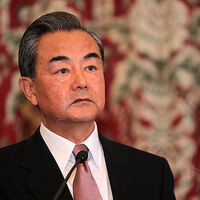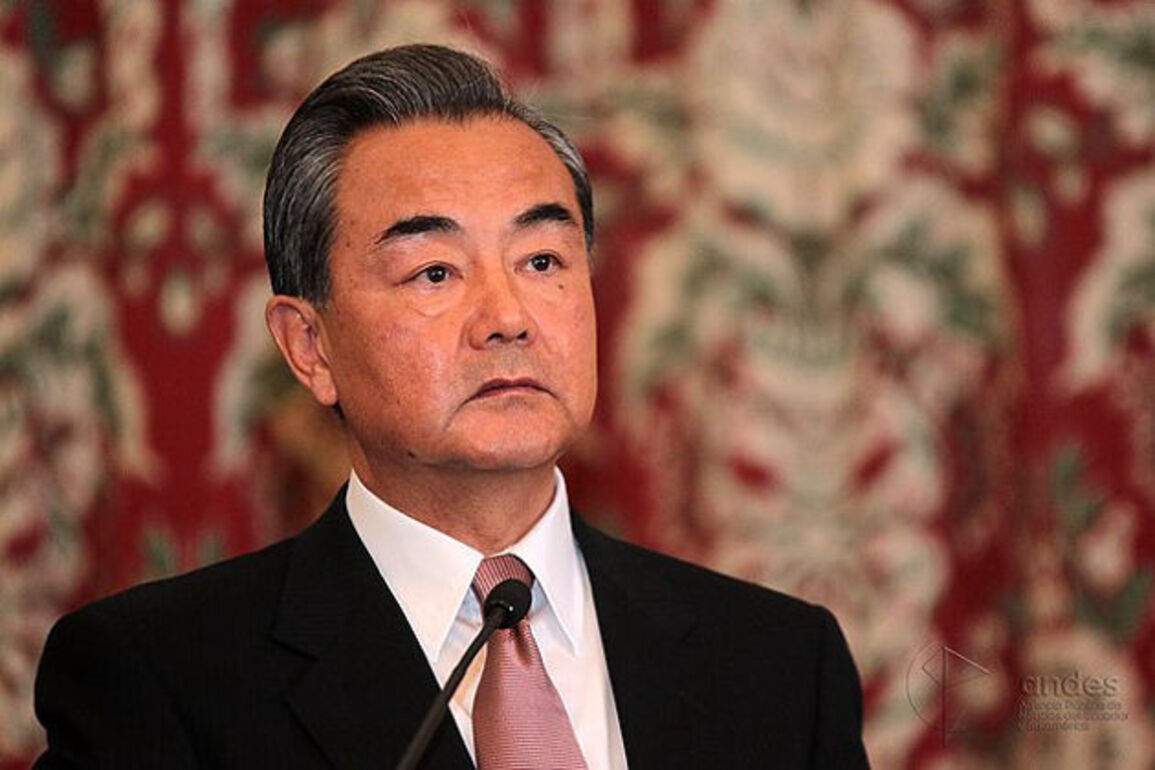
HONG KONG: China's Foreign Minister Wang Yi on November 23 called it "shocking" that Japan's prime minister publicly sent what he described as the wrong message on Taiwan, marking the latest escalation in a dispute that has strained relations for more than two weeks.
According to an official statement, Wang—China's highest-ranking official to speak publicly on the matter—said Japan had crossed a red line. He accused Prime Minister Sanae Takaichi of attempting to interfere militarily in Taiwan, referring to her November 7 remarks in parliament suggesting that a Chinese attack on Taiwan could prompt a military response from Japan.
The disagreement has since widened into the biggest China-Japan diplomatic rift in years, affecting trade and cultural ties. On November 21, Beijing took the issue to U.N. Secretary-General António Guterres, pledging to defend its position.
China views Taiwan as part of its territory and has not ruled out using force to take it. Taiwan rejects Beijing's claims and says its future can only be decided by its people.
Japan responded the next day, calling China's statements "entirely unacceptable" and insisting that its stance as a peaceful nation has not changed.
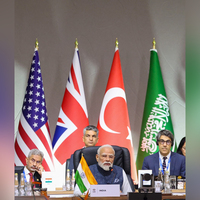
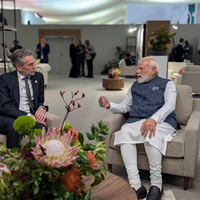
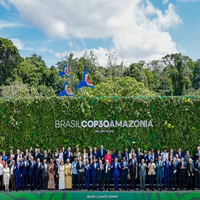
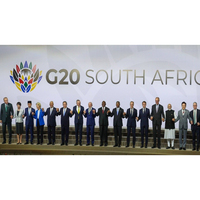
Speaking to the press in South Africa after the G20 summit, Takaichi did not address Wang's comments or the U.N. correspondence, saying only that Japan remained open to dialogue. "We are not closing the door, but Japan must clearly state what needs to be said," she told reporters, adding she had not met Chinese Premier Li Qiang at the event.
Taiwan's Foreign Ministry also criticized China's letter to the U.N., calling it rude, misleading, and a violation of Article 2(4) of the U.N. Charter, which bans the threat or use of force.
Wang warned that China would "firmly counter" Japan's stance to protect its sovereignty and post-war stability. If Japan continues this path, he said, the world has the right to revisit Japan's wartime history and prevent "the resurgence of militarism."
China remains Japan's second-largest export market after the United States, importing roughly US$125 billion in Japanese goods in 2024, including industrial machinery, semiconductors, and vehicles, according to U.N. trade data.