ROME, Italy: On April 11, Pope Leo XIV denounced the "delusion of omnipotence" fueling the U.S.-Israel war in Iran and demanded that political leaders stop and negotiate peace.
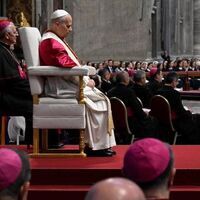
Leo led an evening prayer service at St. Peter's Basilica on the same day the United States and Iran started direct talks in Pakistan, while a weak ceasefire was still holding.
The first U.S.-born pope, Pope Leo, did not mention the United States or Donald Trump directly. His prayer had already been planned before the talks were announced.
However, his message seemed aimed at Trump and U.S. leaders, who have spoken about military strength and used religion to support the war. He said people should stop worshipping themselves and money, stop showing off power, and end war.
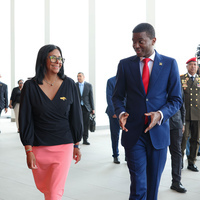
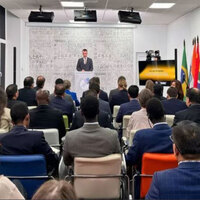
Among those present was Dominique Joseph Mathieu. The U.S. was represented by diplomat Laura Hochla.
At the start of the war, Leo avoided strongly criticizing the violence and mainly called for peace. But from Palm Sunday onward, he became more outspoken. This week, he said Trump's threat to destroy Iranian civilization was unacceptable and again called for dialogue.
Leo urged everyone to pray for peace and ask their leaders to stop the war. The prayer service in Rome happened at the same time as similar services in the U.S. and other countries.
He said praying for peace can help stop the cycle of evil and build a better world without weapons like swords or drones, and without unfair profits from war. He warned against the dangerous idea that people or countries are all-powerful, and said even God's name is being misused to support violence.
Some leaders have used religion to justify the war. U.S. officials, especially Pete Hegseth, have spoken about their Christian faith to present the U.S. as fighting its enemies. But Leo said God does not support any war, especially those involving bombing.
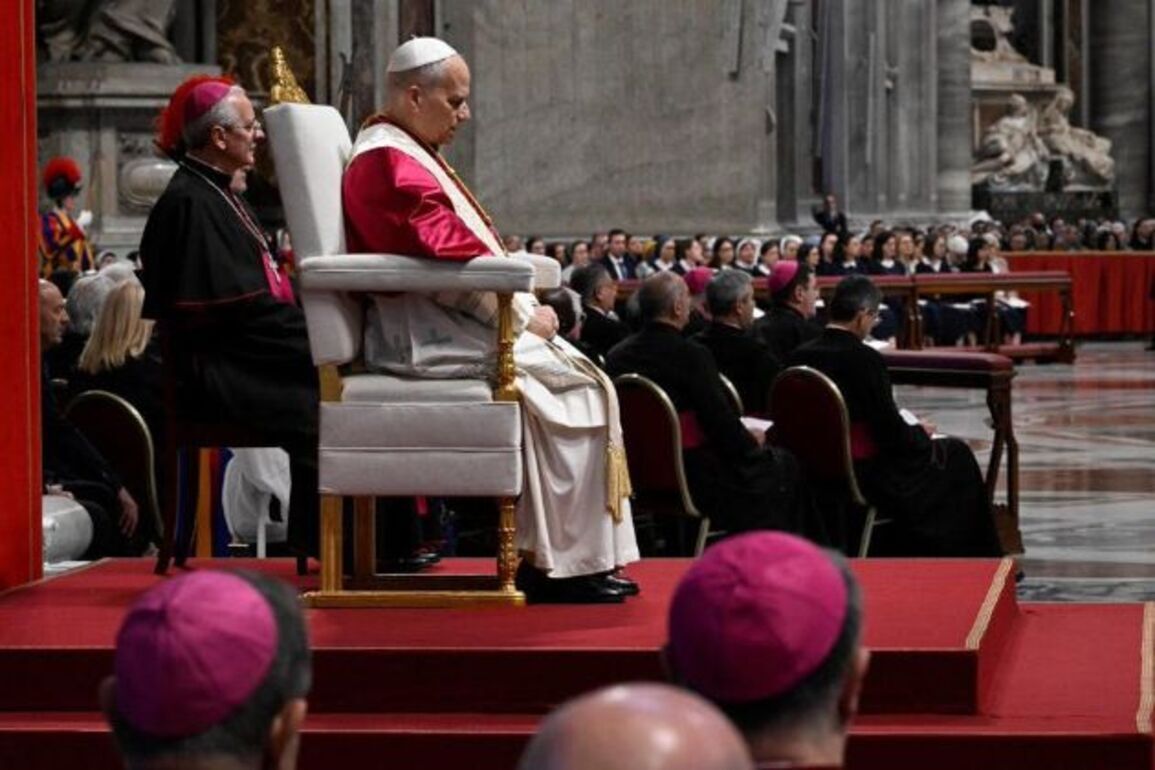
During the service, Leo sat beside the altar wearing formal robes and holding a Rosary. Many priests and nuns also prayed with Rosary beads as traditional prayers were recited.
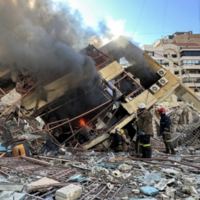
The Vatican is especially worried that the conflict between Israel and Hezbollah in Lebanon could spread further, especially affecting Christian communities in the south.