LONDON, U.K.: The U.K. has stopped sharing some intelligence with the U.S. on suspected drug trafficking boats in the Caribbean following concerns over America's recent strikes on the vessels.
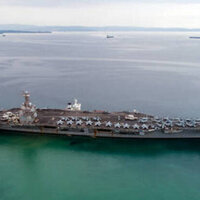
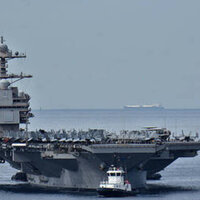
The U.S. has reported carrying out 14 such strikes near the Venezuelan coast since September. The death toll from these attacks in the Pacific and Caribbean Seas has reportedly risen to more than 70, as the U.S. steps up its military presence in the region.
Downing Street has not denied that the U.K. is withholding intelligence from Washington to avoid being complicit in actions it believes may breach international law. Britain, which maintains several Caribbean territories housing intelligence assets, has long assisted the U.S. in identifying ships suspected of smuggling narcotics. That cooperation has helped the U.S. Coast Guard locate vessels, seize drugs, and detain crews.
However, since the Trump administration began targeting alleged drug trafficking boats in early September, British officials have expressed concern that their intelligence could be used to support strikes they consider potentially unlawful.
The pause in intelligence sharing began more than a month ago, after the U.K. echoed U.N. human rights chief Volker Turk's assessment that the strikes amounted to extrajudicial killings.
A Number 10 spokesperson declined to comment directly on the matter, saying: "We don't comment on security or intelligence issues. The U.S. is our closest partner on defence, security, and intelligence, but in line with long-standing principles, I'm not going to comment on intelligence matters." The official added that "decisions on this are a matter for the U.S." and that determining whether any action violates international law "is for a competent international court."
A Pentagon official also declined to discuss intelligence issues.
On November 10, U.S. Secretary of War Pete Hegseth said on X that "two lethal kinetic strikes" had been conducted the previous day on vessels "operated by Designated Terrorist Organizations." He said the boats were carrying narcotics and moving along a known trafficking route in the Eastern Pacific. "Both strikes were conducted in international waters," he said, adding that six men aboard the vessels were killed and no U.S. forces were harmed.
The U.N. human rights chief has condemned the U.S. strikes on alleged drug smugglers off South America as "unacceptable" and a violation of international human rights law. Venezuela has called them illegal, describing the attacks as acts of aggression and murder against a sovereign nation.